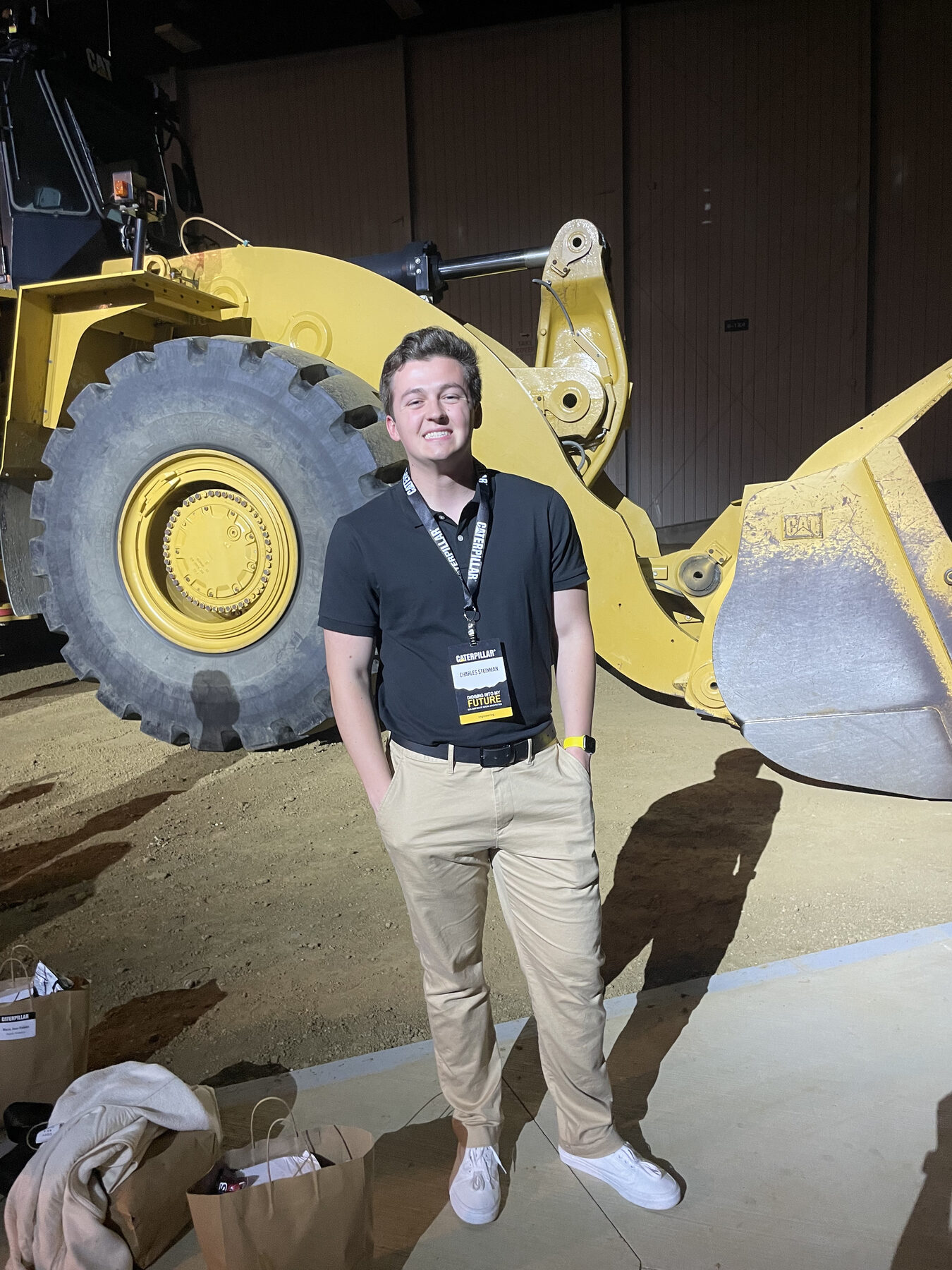
The 926 Small Wheel Loader uses a cast-iron rear counterweight — expensive to manufacture and a cost obstacle for a planned lower-price general-construction variant of the machine. The goal was to develop a concrete-filled sheet-metal alternative that preserved all of the original's functional requirements while hitting a lower cost target.
Before sketching anything, I mapped every constraint the new counterweight had to satisfy simultaneously. Six drove every iteration:
I ran three rounds of design reviews over the summer, producing nine concept variants in total. Each round started with CAD, ran through a quick check against all six constraints, and ended in a team meeting where senior engineers gave feedback that drove the next iteration. The concepts progressively moved from blocky first-pass geometry toward a cleaner, more efficient shape that satisfied every requirement.
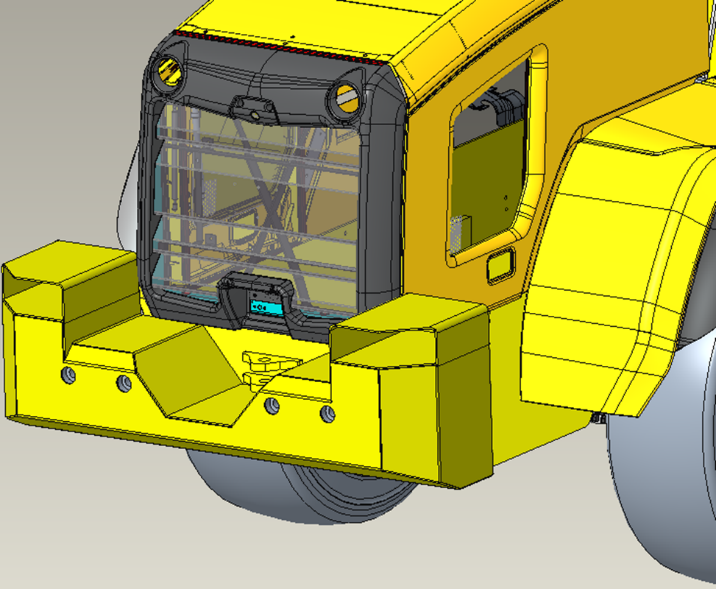
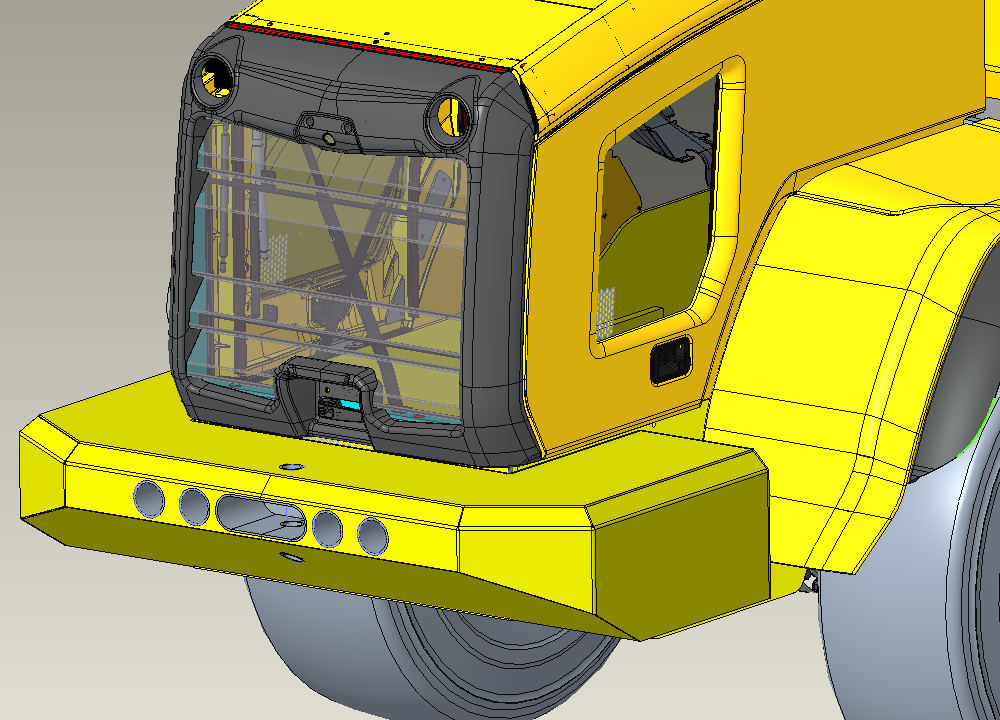
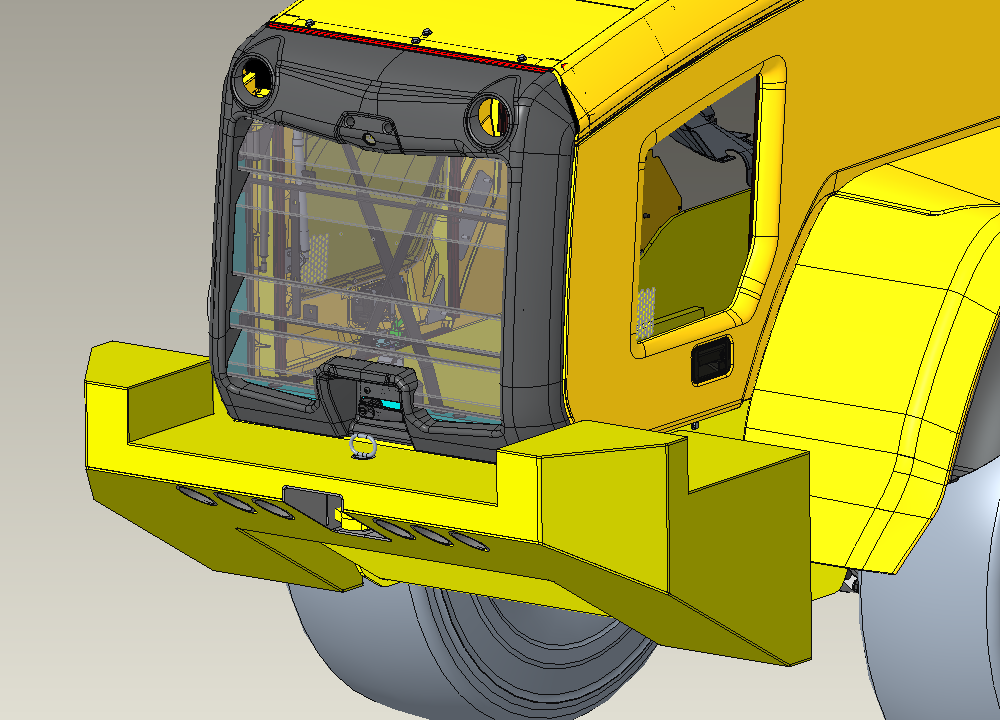
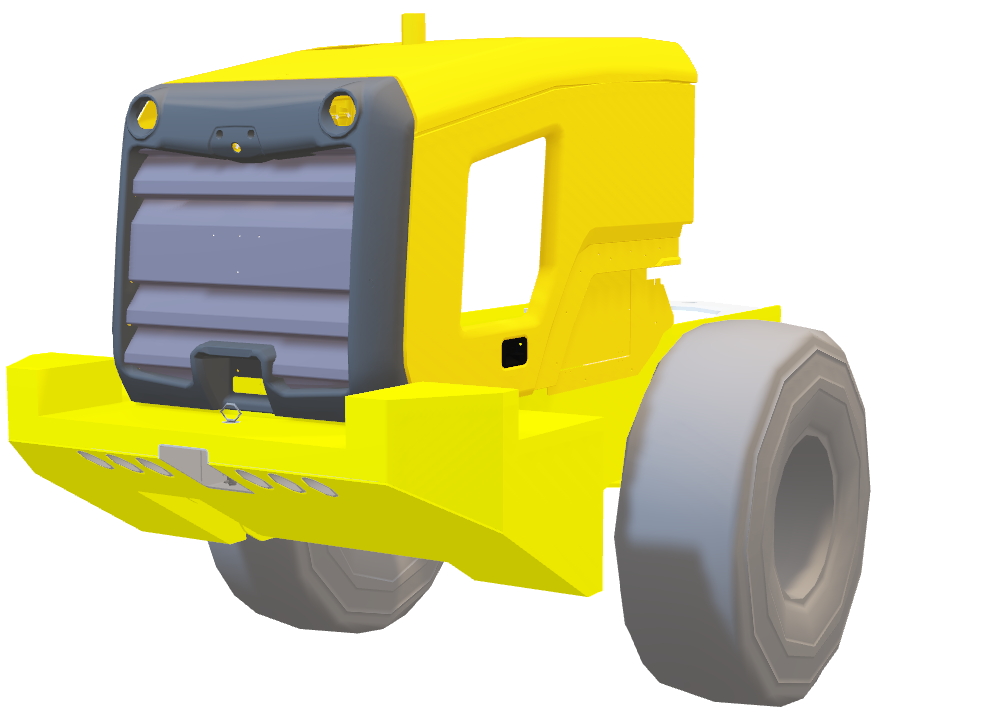
I owned the counterweight concept from initial sketches through eight full design iterations, running design team meetings, presenting to senior engineers, and carrying each concept through FEA and bolted-joint analysis before landing on the final revision.
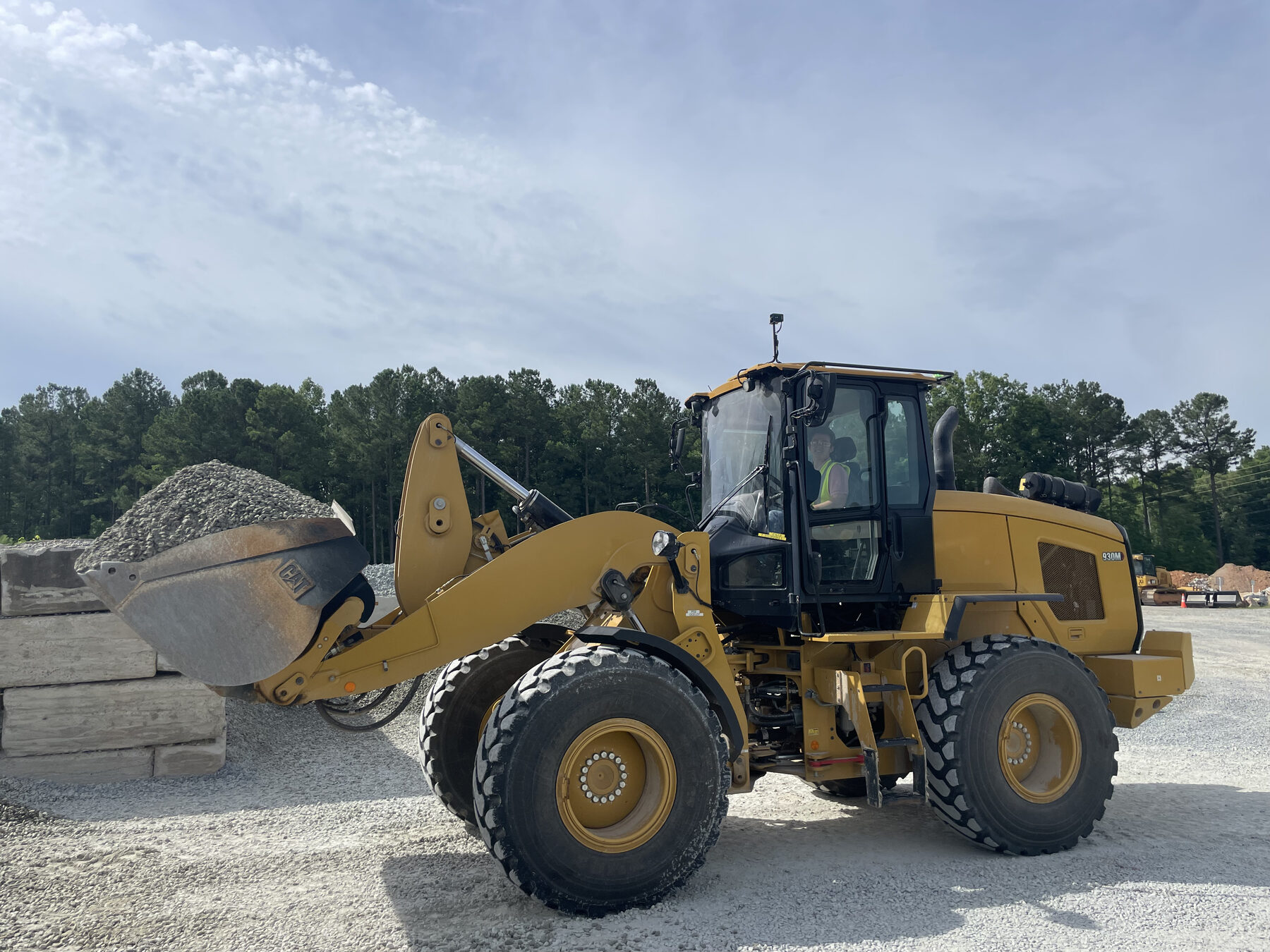
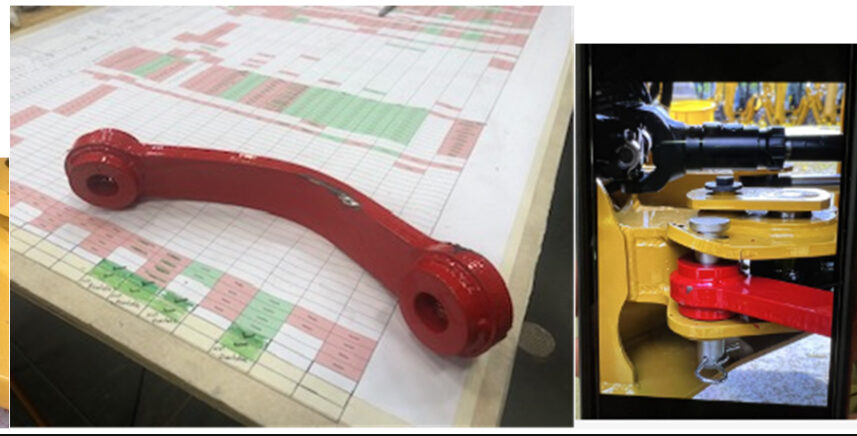
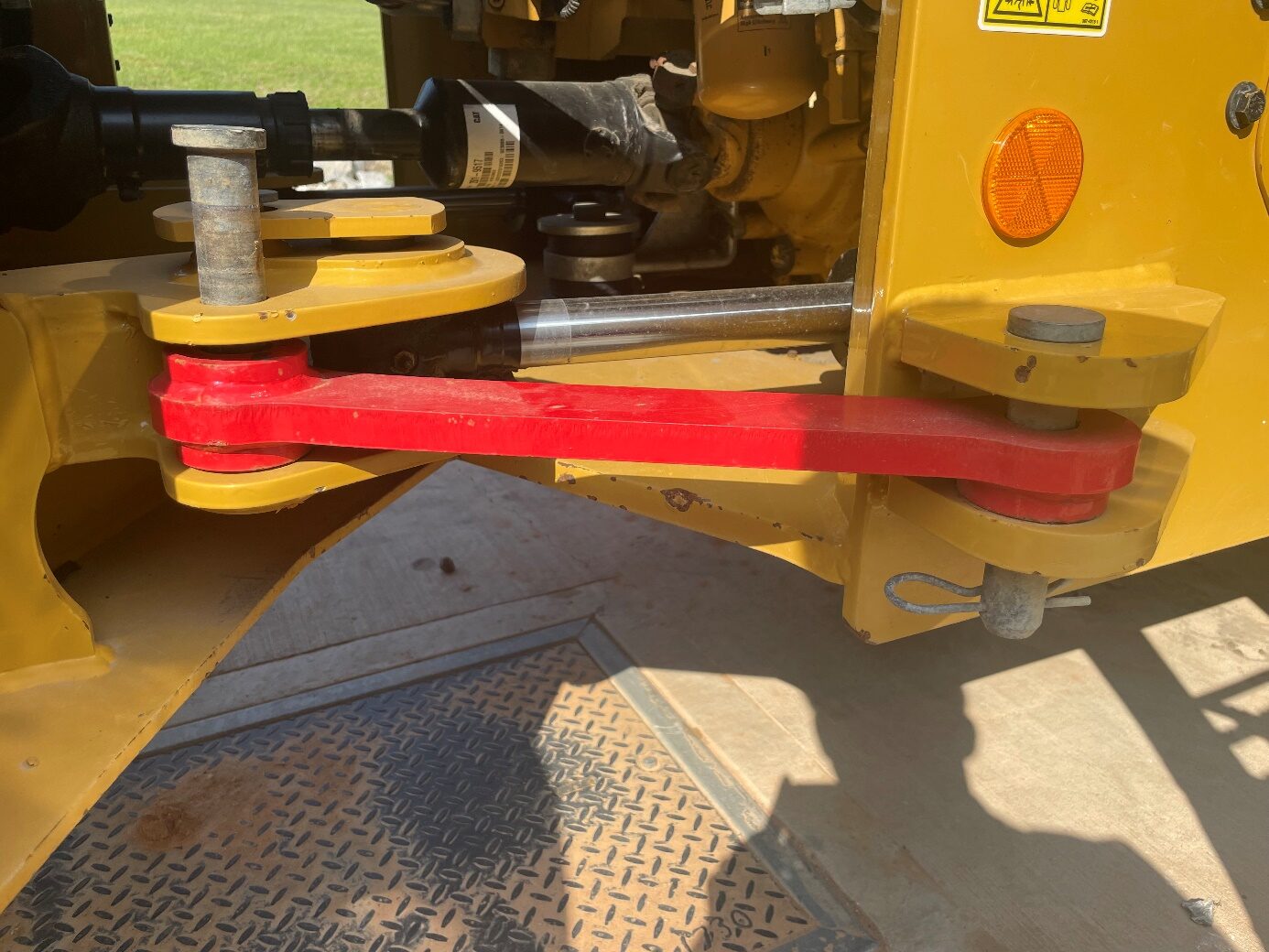
Alongside the counterweight project, I investigated recurring failures in the steering lockout link. The part was failing in the field at stresses well below its rated capacity — something wasn't adding up.
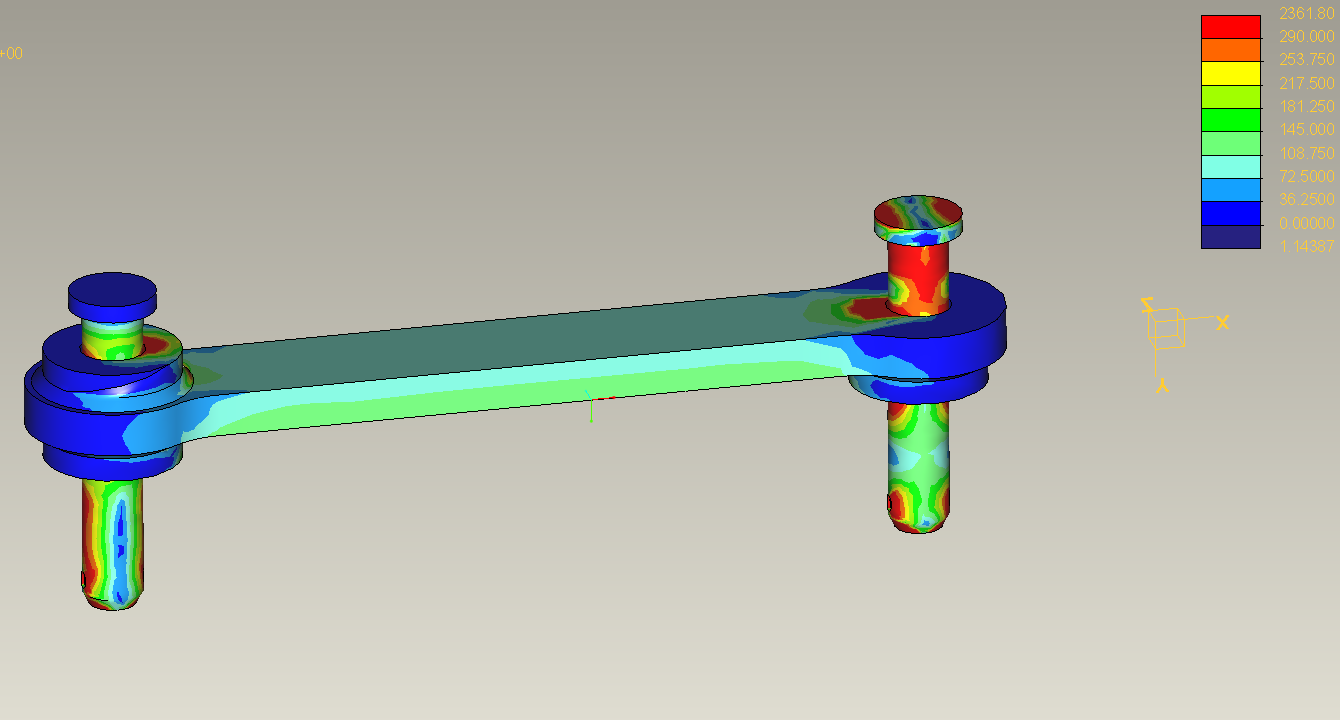
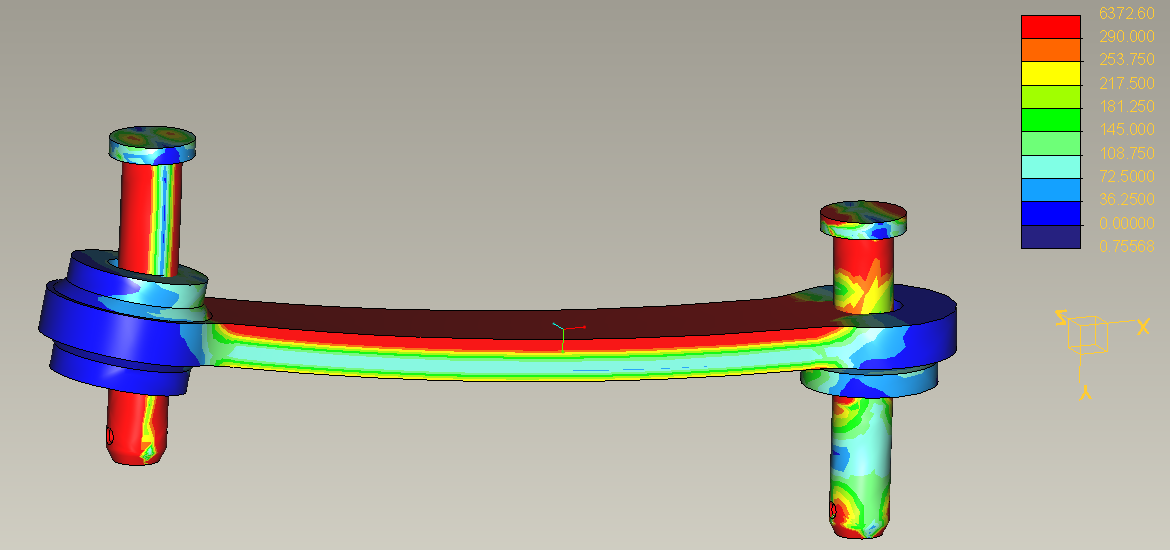
My hypothesis: incorrect installation of the link/clevis pin assembly was generating an unintended bending moment on the link that the part was never designed to carry. I worked backward from hydraulic cylinder bore and pump pressure to calculate peak in-service loads, then ran FEA in Creo Simulate to confirm buckling as the actual failure mode under the misinstalled condition. The fix was a straightforward assembly-process change.
The two simulations below tell the story directly: the correctly loaded link stays well within its yield stress, while the misinstalled condition causes the bar to bow and exceed yield across its full span.
Caterpillar gave me my first real look at how design decisions get made when nine engineers are in the room and the constraints don't all point in the same direction. The counterweight project in particular taught me how to defend a design decision — not just "the simulation says it passes" but understanding enough of the why to explain it clearly to people with thirty years more experience.