Hendrick Motorsports is one of the most successful NASCAR Cup Series organizations in history — four cars, hundreds of championship points races per year, and an engineering team that designs, fabricates, and validates almost every component in-house. The internship dropped me into their Siemens NX / Teamcenter PLM workflow from day one, working on parts that would run on cars 5, 9, 24, and 48 within the same season.
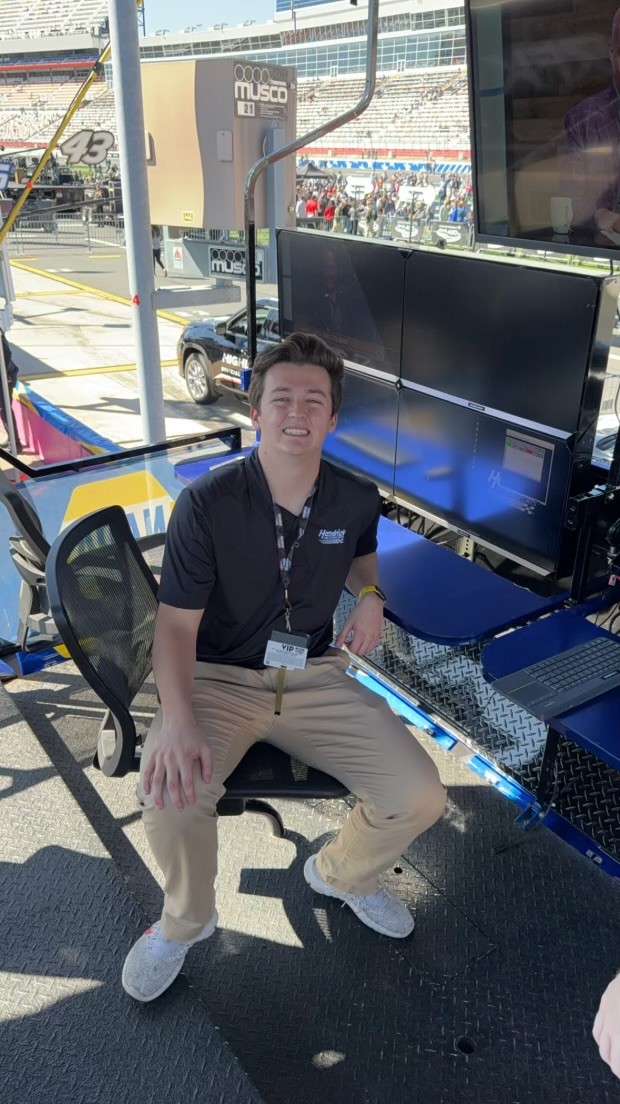
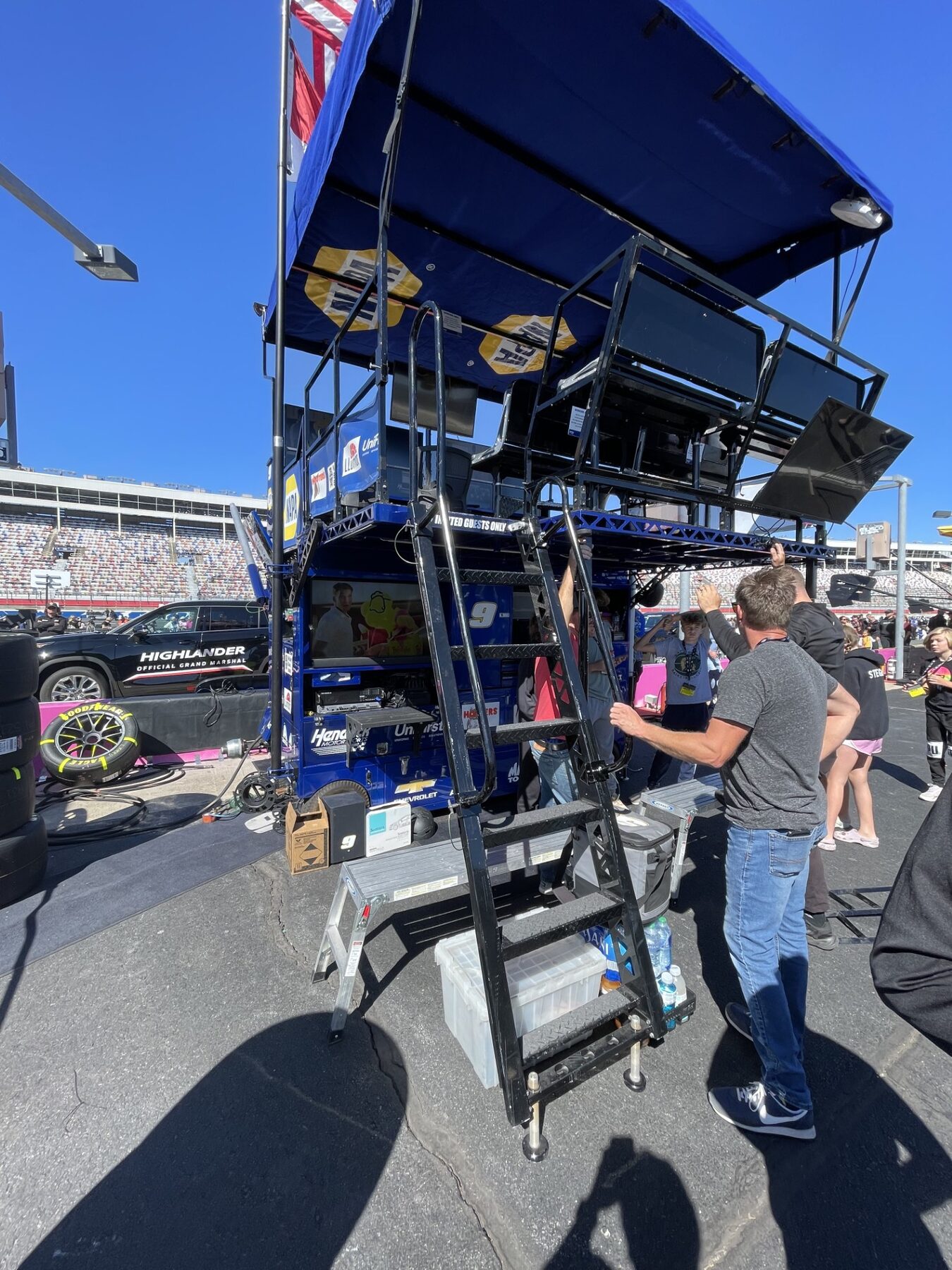
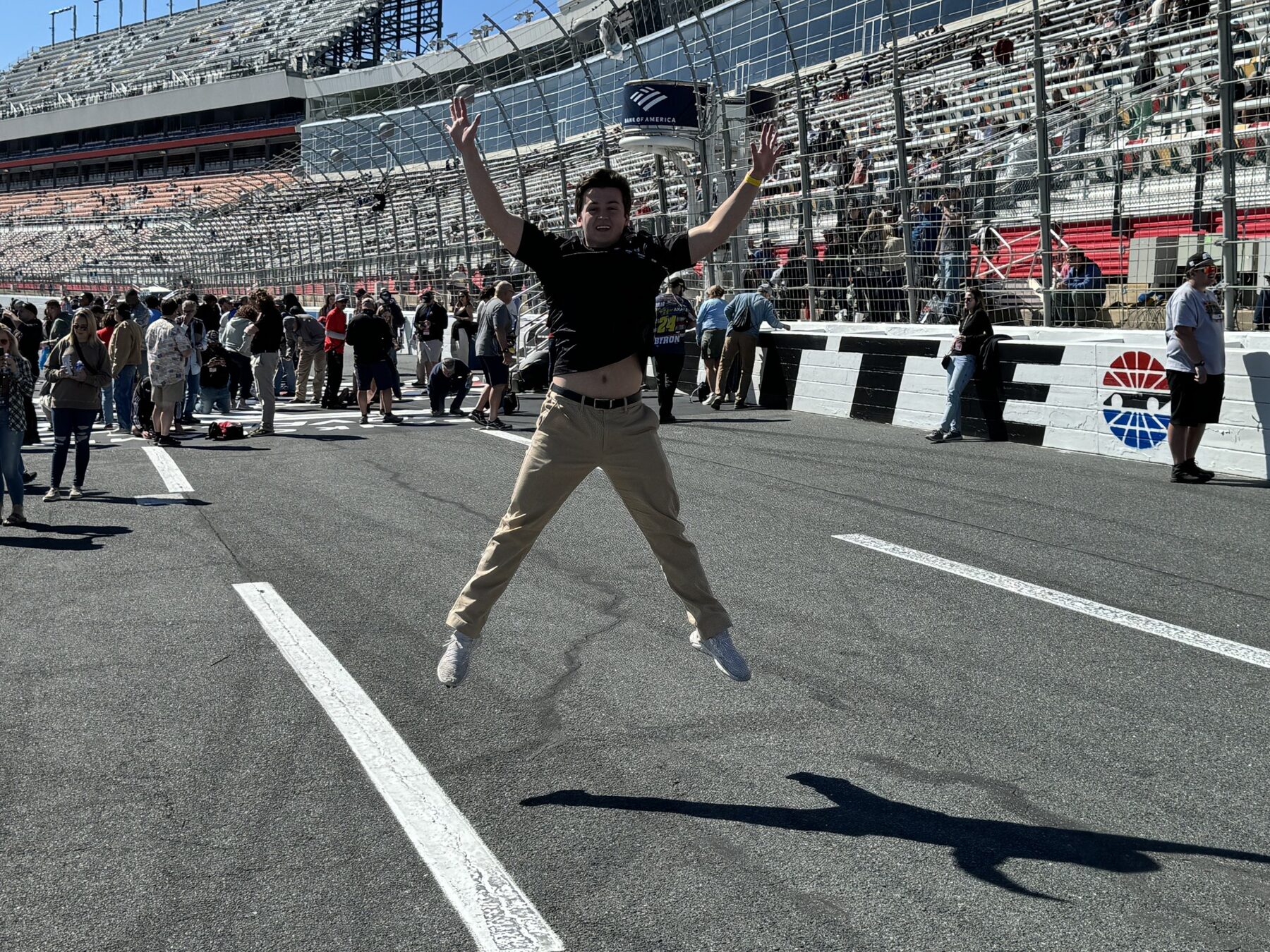
I also got out from behind the desk for a race weekend at the track, seeing the crew chief's stand and pit operations up close and watching cars I'd helped design actually compete.
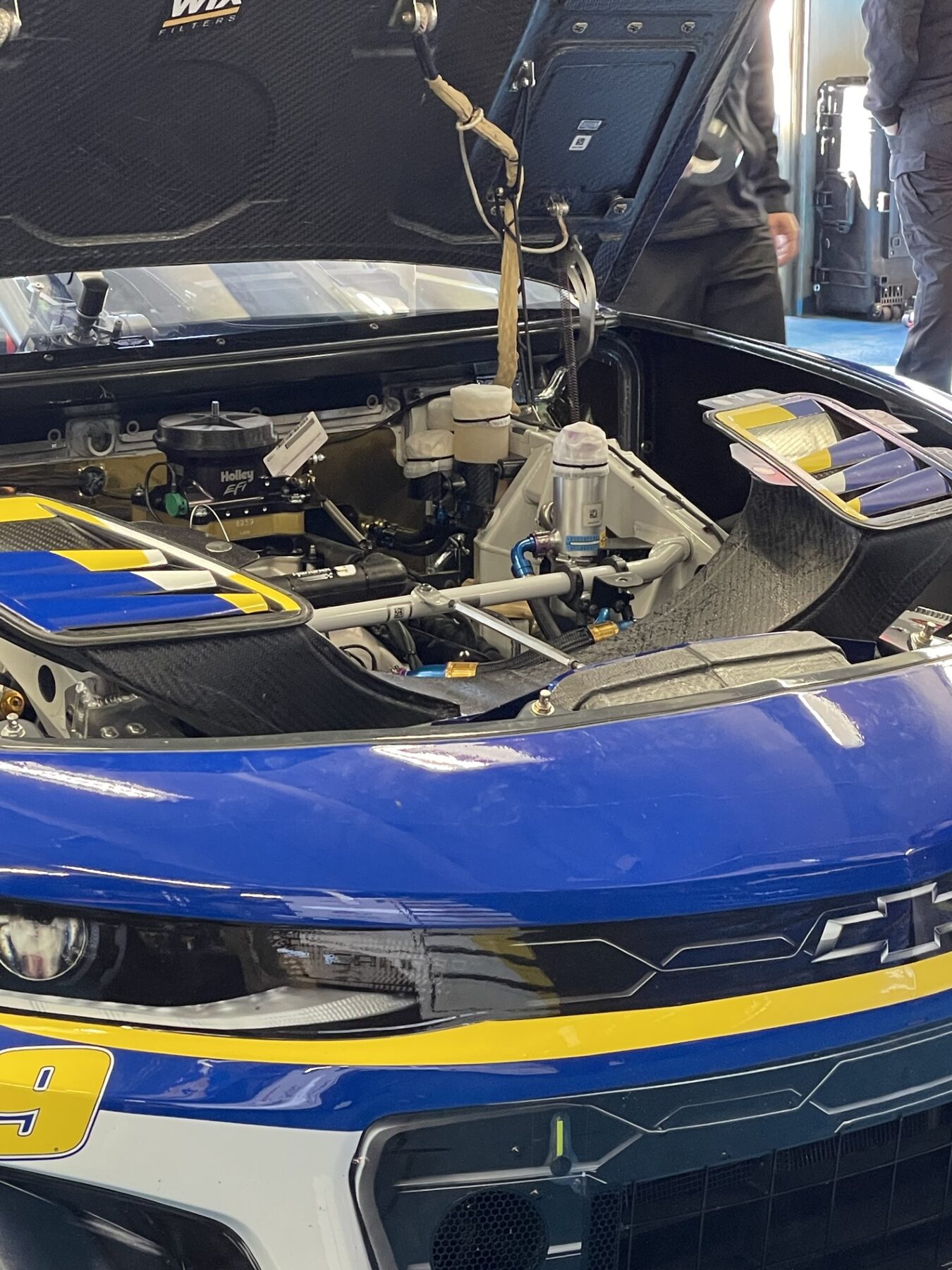
The bulk of my design work fell into two categories: NASCAR Cup Series car components and HMS Defense projects. On the Cup Series side, every part has to satisfy both engineering requirements and NASCAR's strict technical rulebook — so design decisions are always a negotiation between what works best and what's legal.
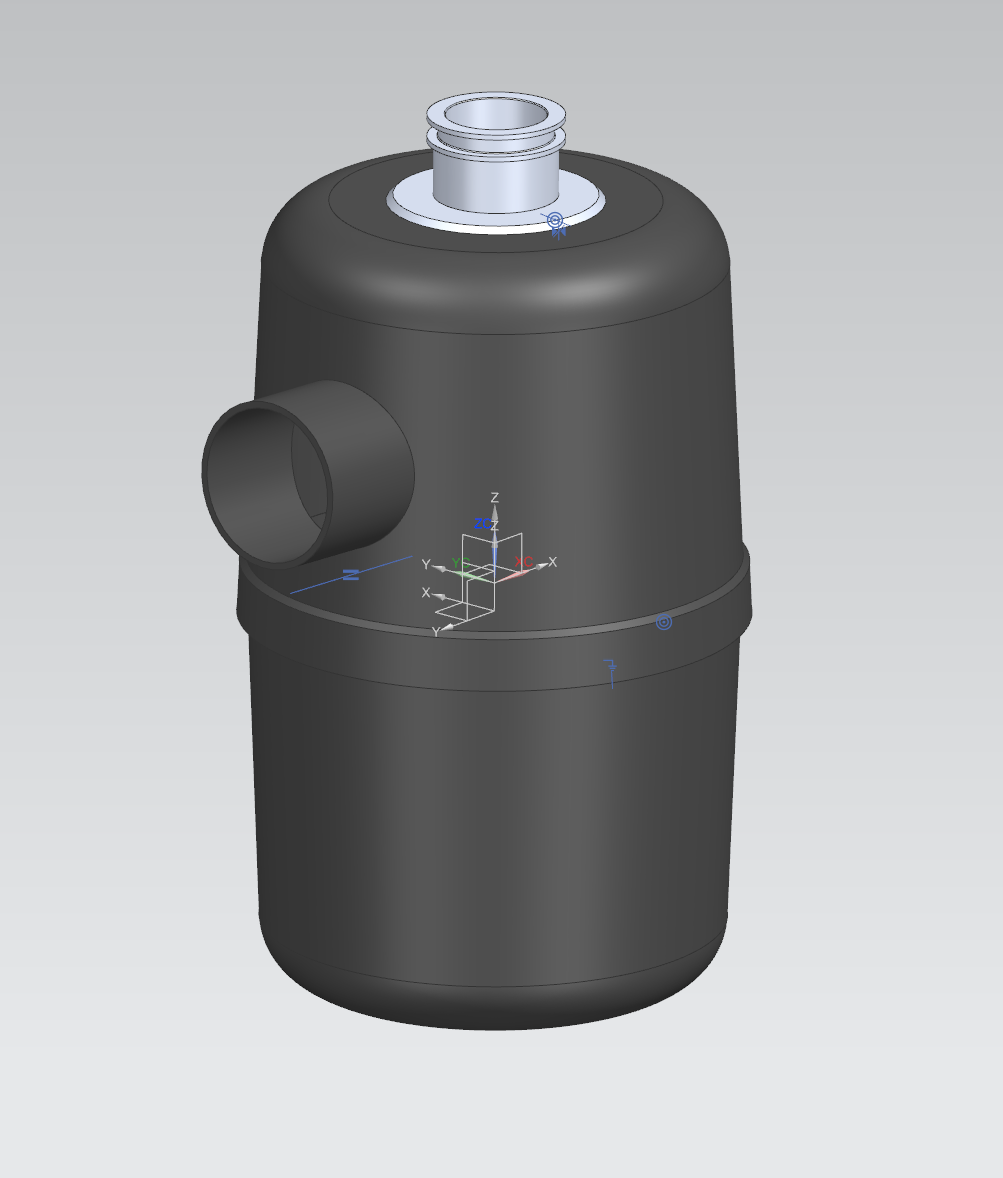
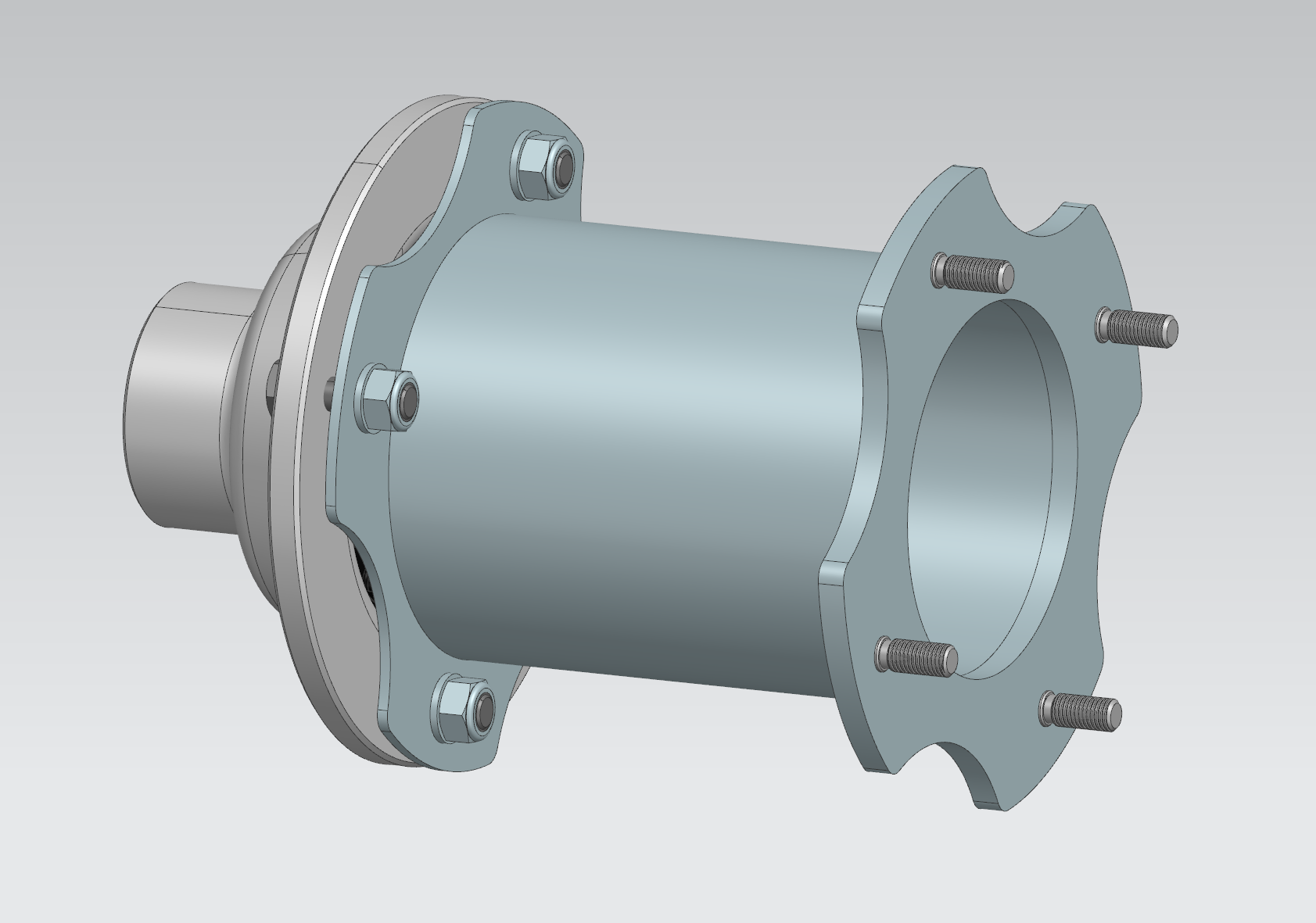
I also contributed to HMS Defense, the motorsports-to-defense branch of the organization. This included documentation work on the Medical Chinook trailer and the STEED wheel hub redesign, as well as designing resin-printed fixtures for drilling composite parts to consistent hole locations.
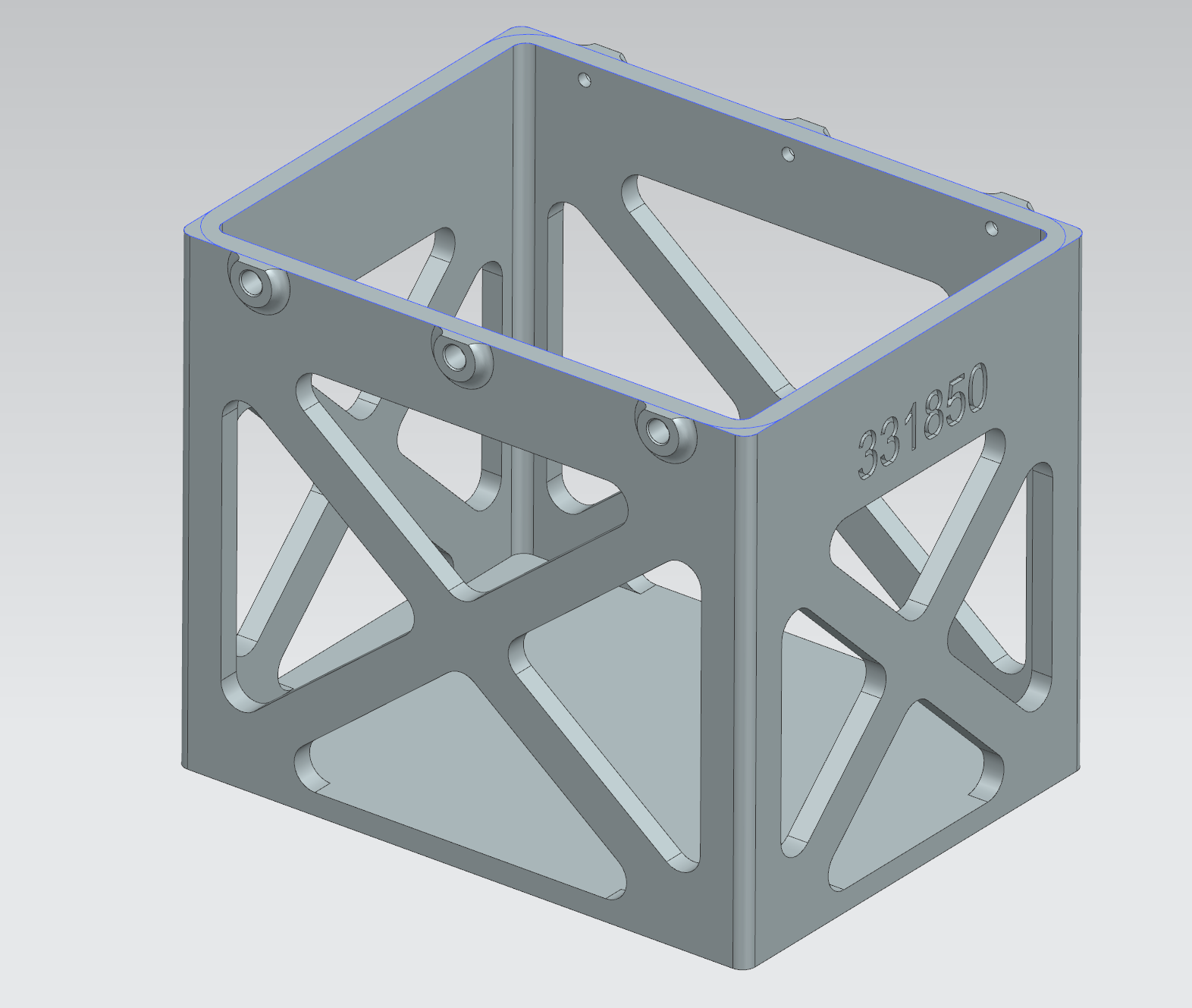
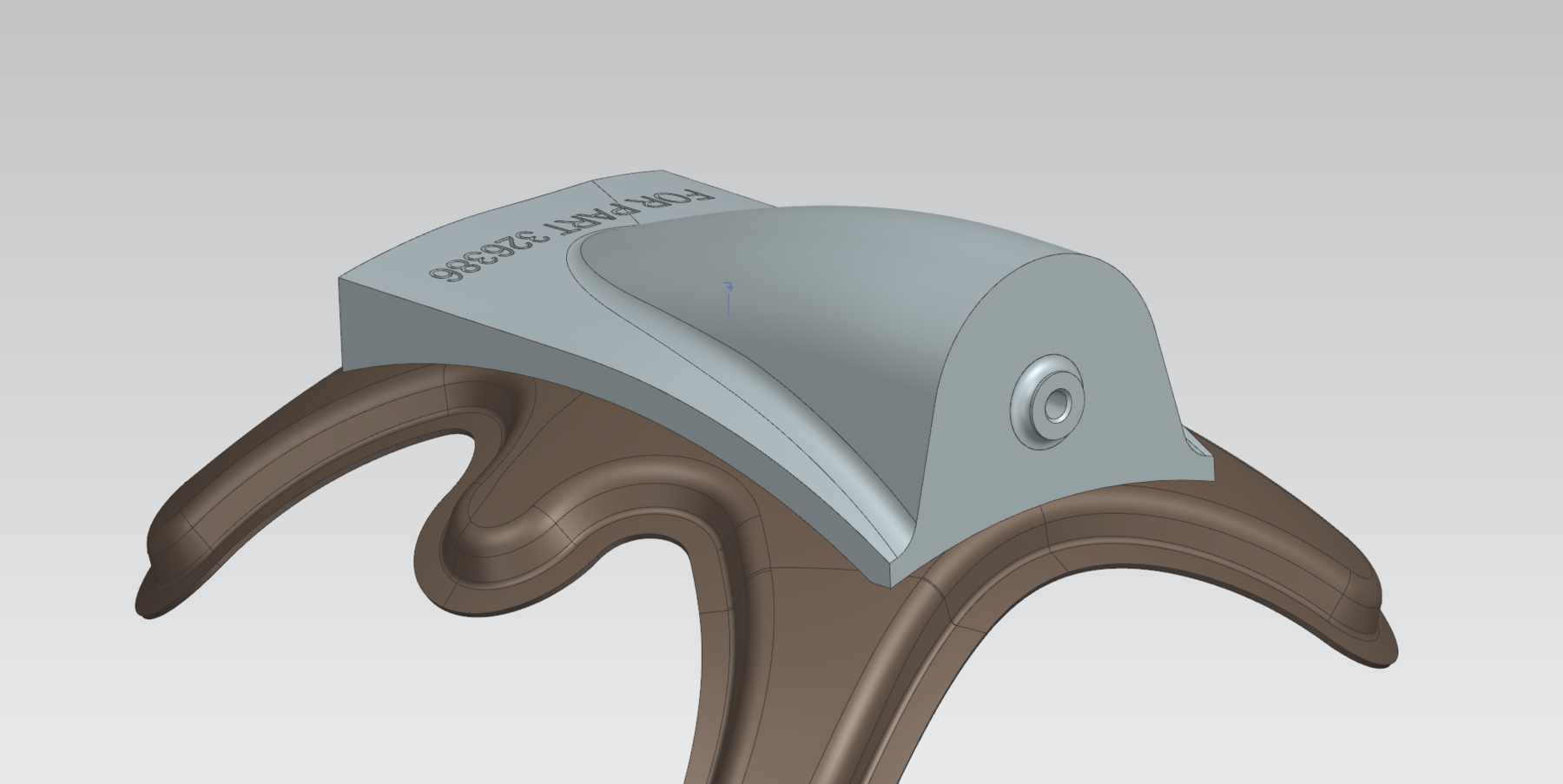
The drill fixtures were resin-printed locating jigs — the radio battery box fixture ensured consistent hole placement when drilling the carbon fiber battery enclosure, and the helmet air duct fixture held the bung accurately while drilling the pilot's helmet interface into the car's HVAC duct. Both needed to be rigid, dimensionally accurate, and repeatable across multiple cars in the shop at the same time.
Beyond design, I inspected over 100 parts against the NASCAR Cup Series rules package. Every part that goes on a competition car has to be measurably within the rulebook's tolerances — and the inspection process is part of how that gets enforced. Working through that process showed me how a high-volume racing operation keeps its technical compliance tight while turning cars around between weekends.